
scribbles_4 - 12/21/2025
Louis Delluc's Fièvre
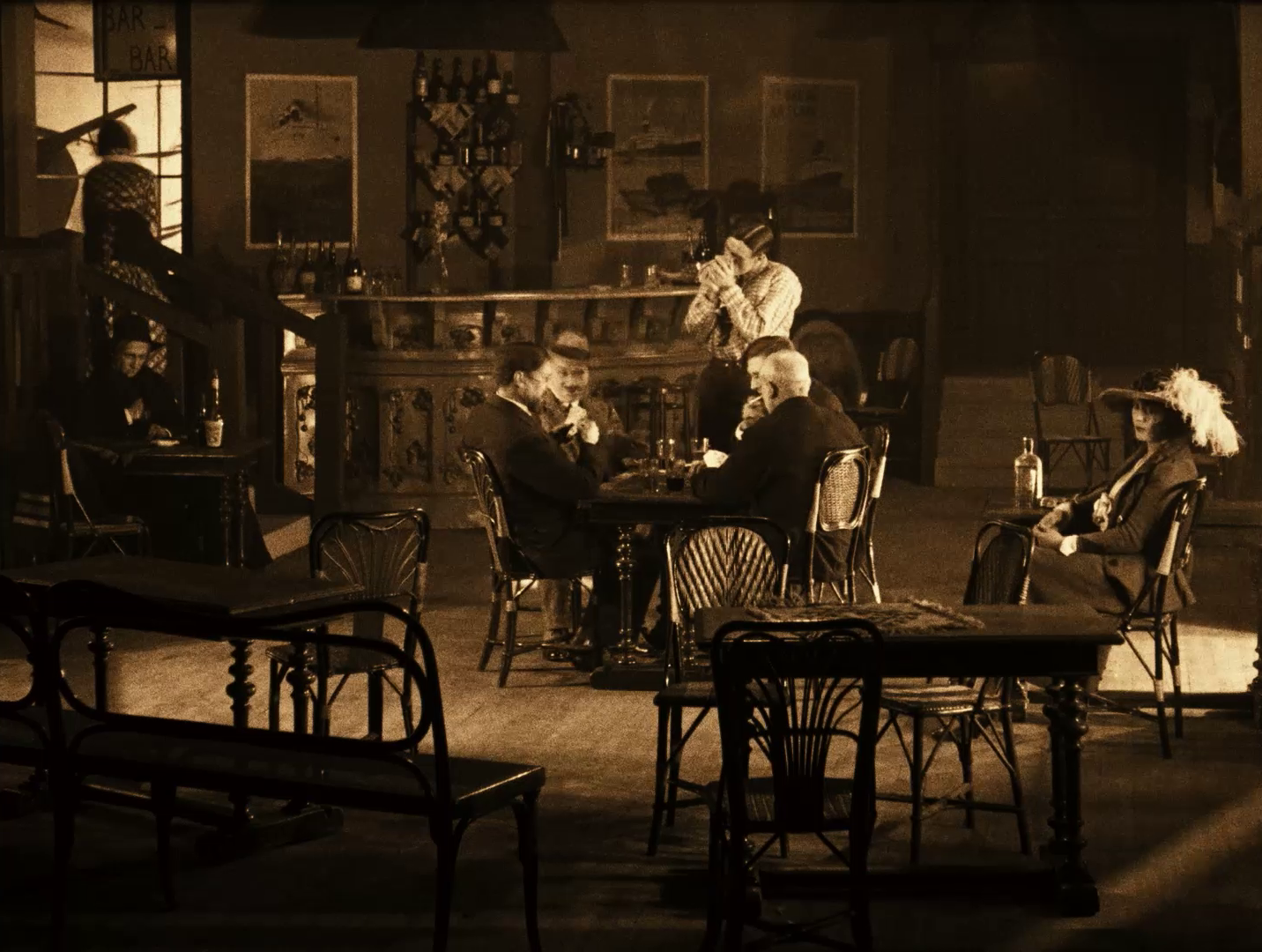
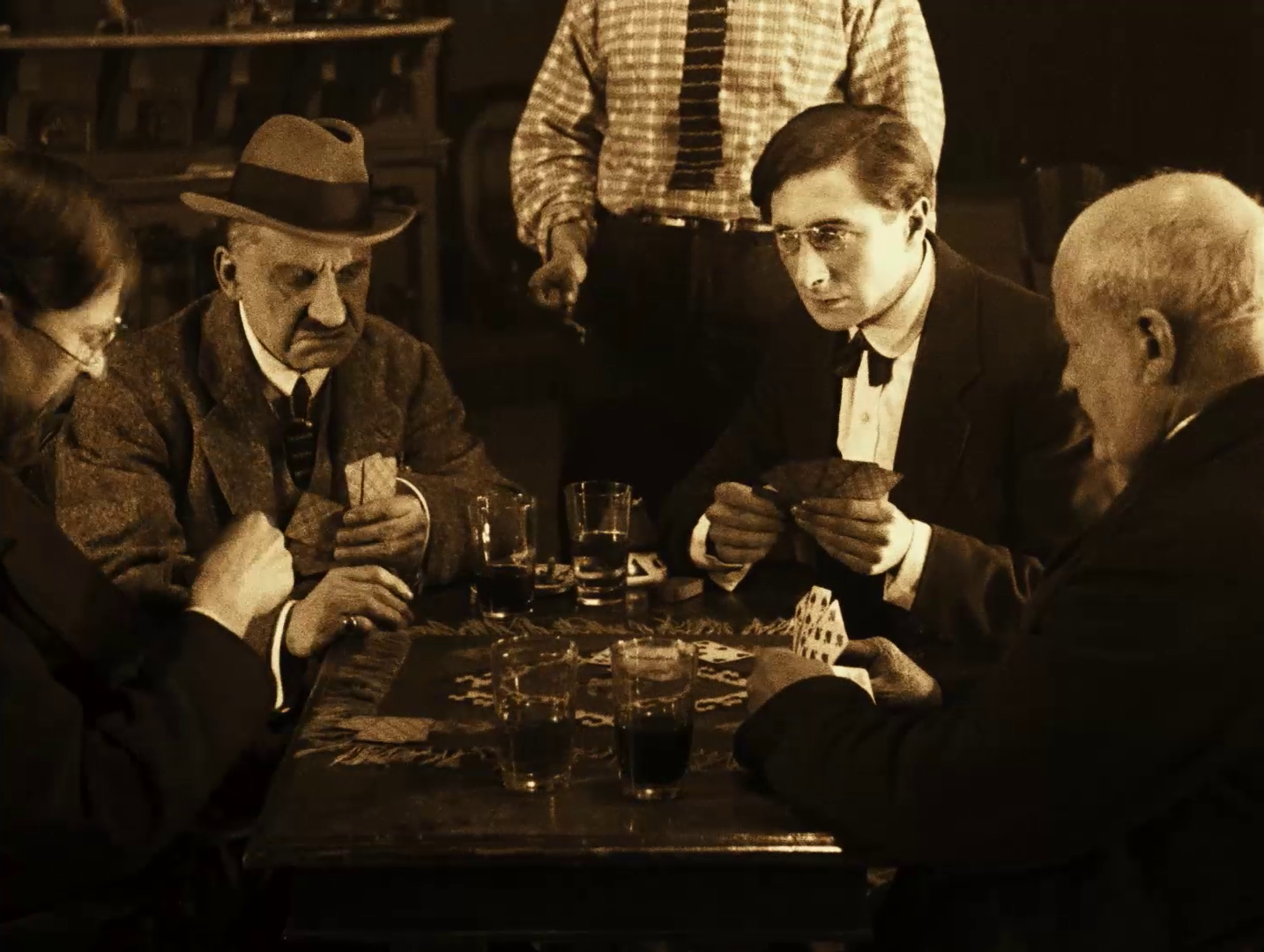
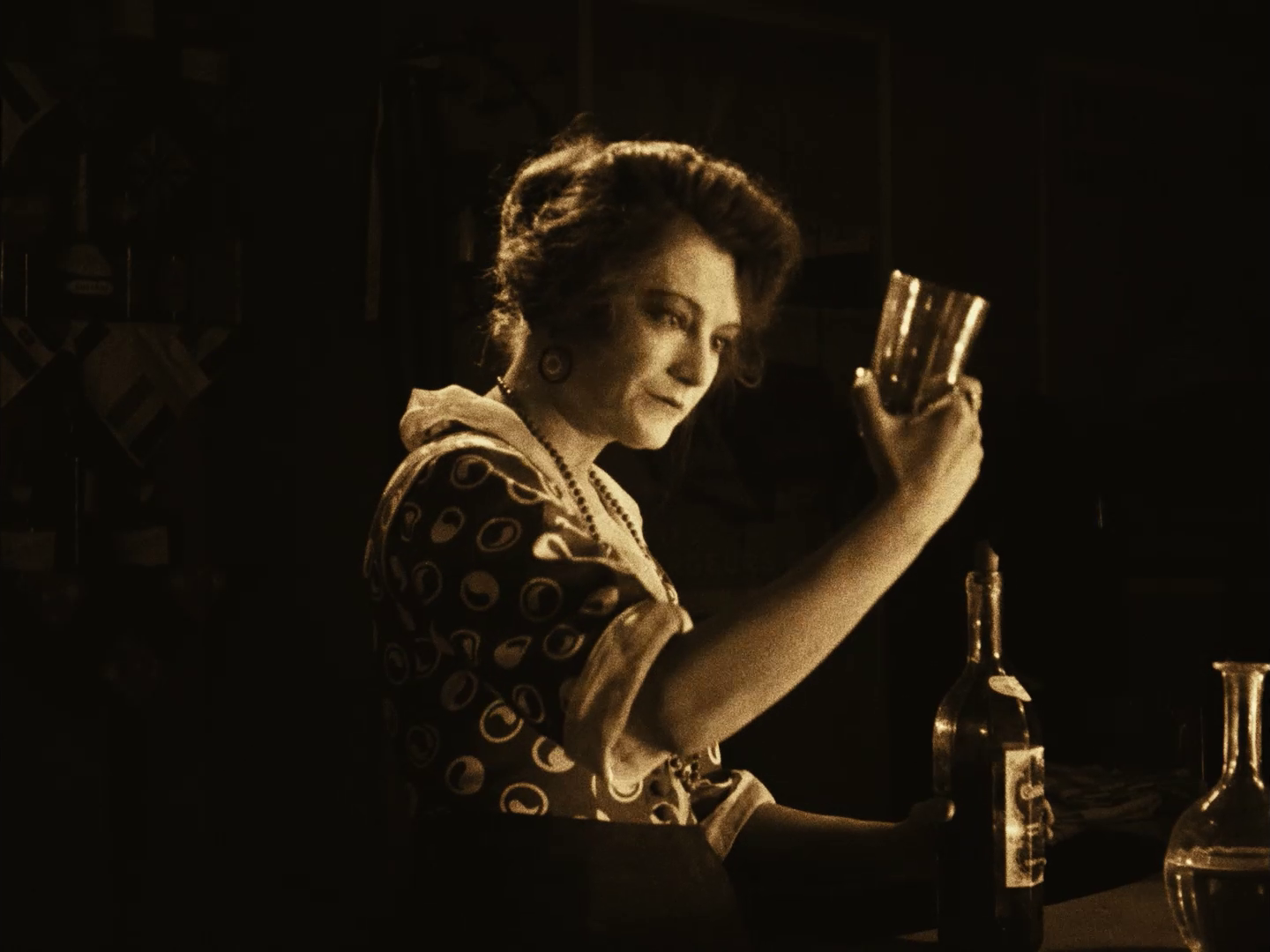
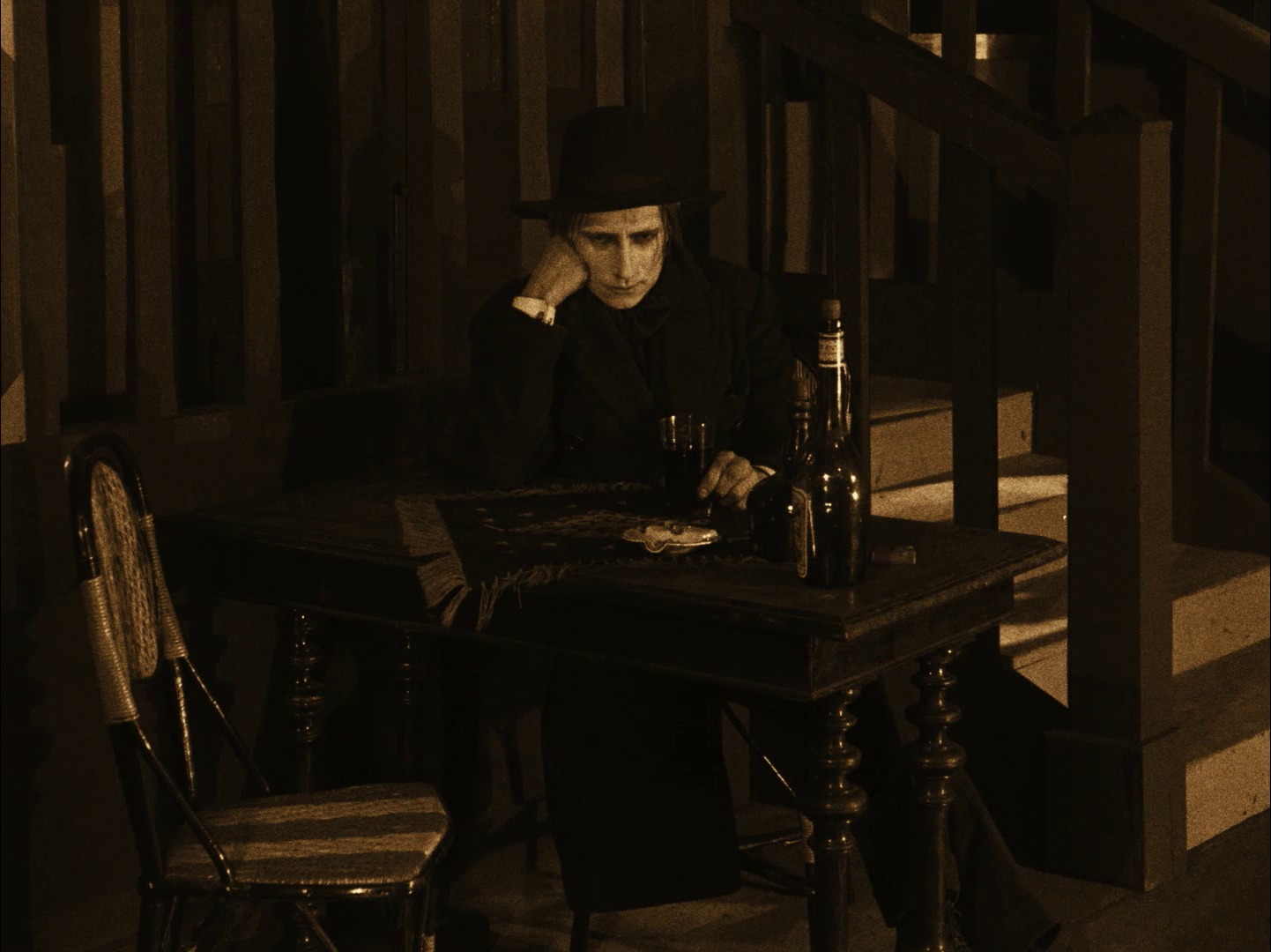
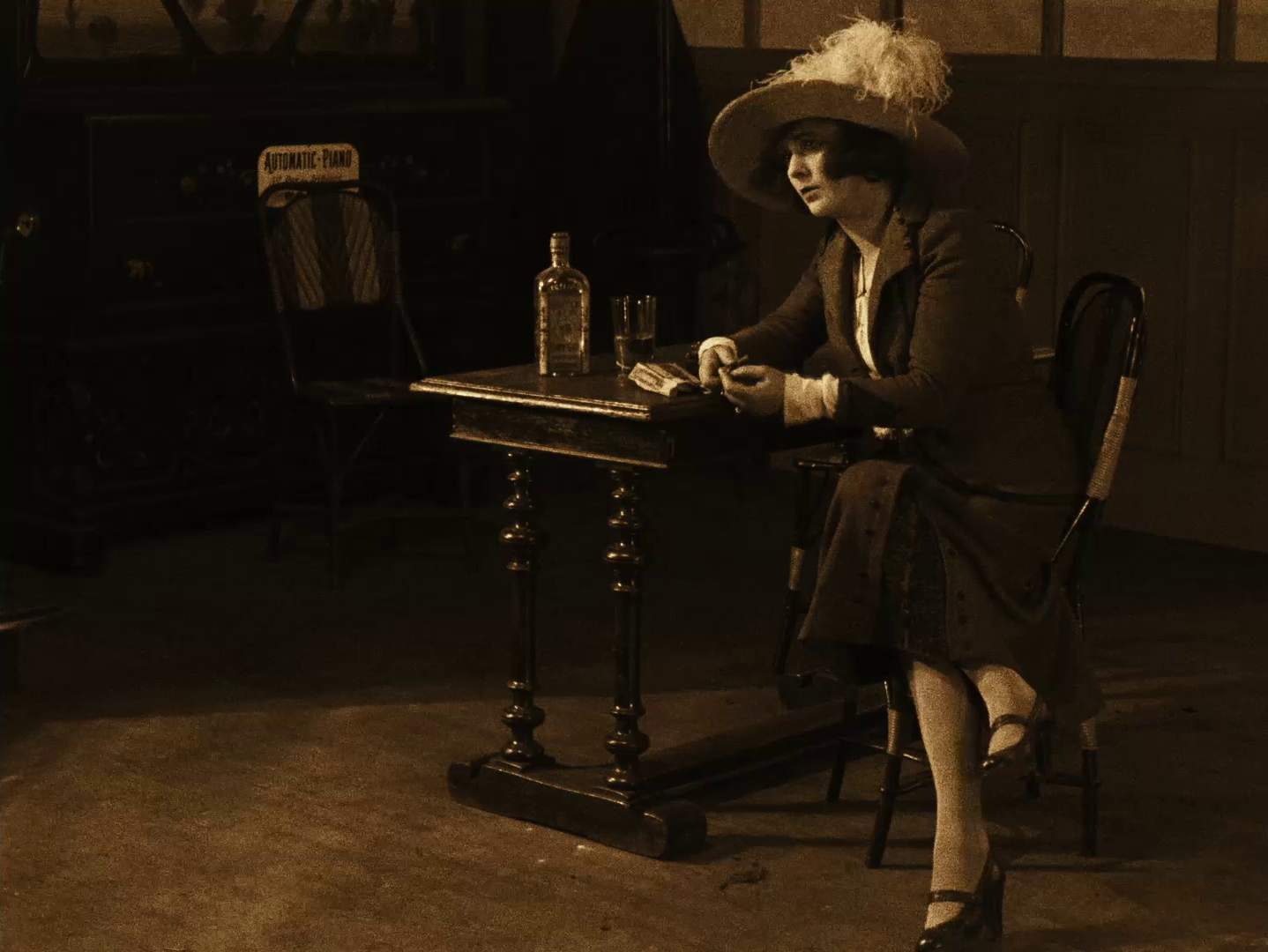
Today is like any other day at this large port town's cabaret. The same drab interior lighting, the same smell of cheap alcohol and tobacco filling the stuffy room, the same faces returning again and again. Among these frequenters are four gentlemen passing the time enjoying a game of trick-taking; a man and a woman on opposite sides of the room sit alone, lost in their own sorrows -- the man, dressed in all black, silently sipping his drink in his small corner, and the woman neurotically fidgeting with her pipe -- both waiting for something.... In the background is Sarah -- the bartender and the boss's wife -- who pours herself a drink to start this unexpectedly eventful evening, all while amusedly watching the patrons.
tags:
#theater / #2025scribbles_3 - 11/17/2025
Takashi Makino's Ghost of OT 301
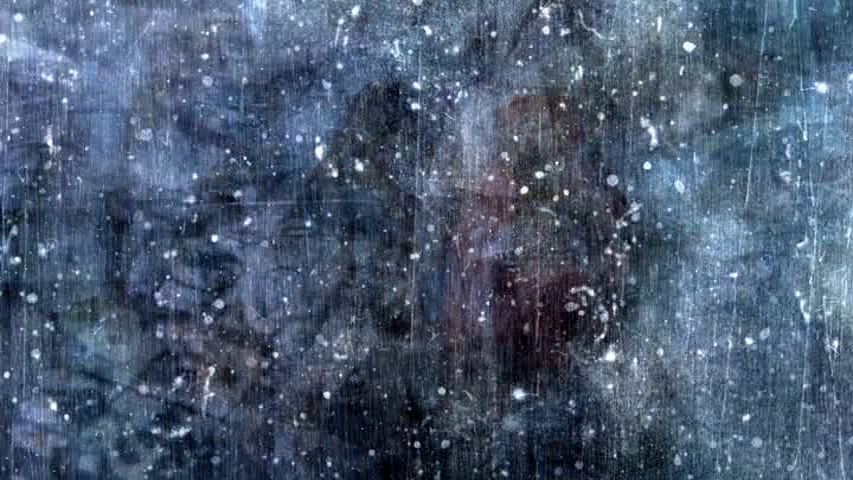
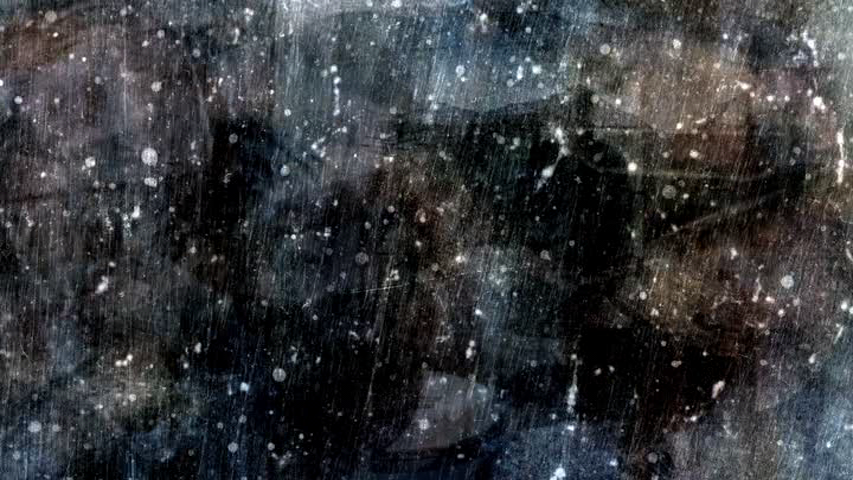
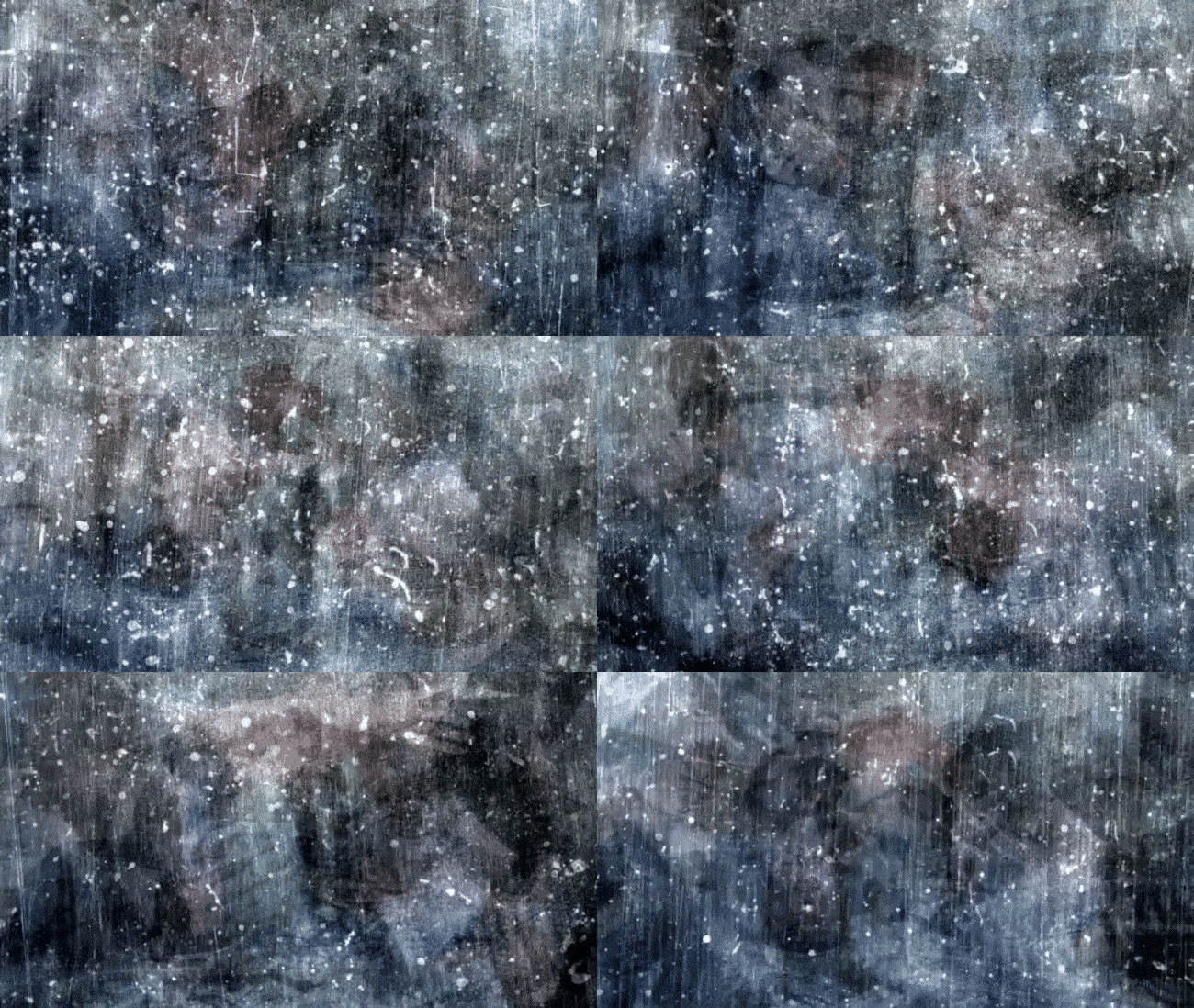
It’s as if we’re recalling distant memories, elusive and fleeting visages alluded to in shape and form through light and motion. These images can only be seen in the periphery, because to focus our attention on them and to look too long and too deeply at any one part of the image is to lose sight of it altogether.
Full film can be seen here
tags:
#theater / #2025scribbles_2 - 10/2/2024
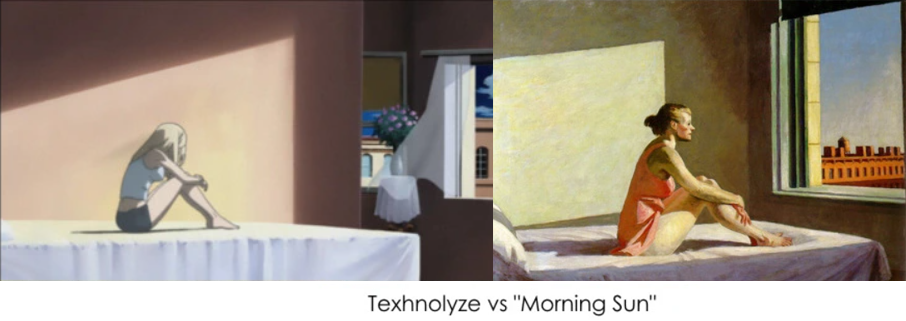
Texhnolyze's Doc (above) and Hopper's Morning Sun Woman (below)
What I find interesting about this image is Hopper's composition still maintains just enough life and humanity in it and that becomes clear when juxtaposed with the scene from Texhnolyze.
The most immediate difference is the absence of warmth in Doc. Artists will take every opportunity to highlight and often times exaggerate to great effect the warm hues emanating from the face, hands and toes; the Woman's choice in clothing is also, at least superficially, an obvious indicator to this warmth, and on a deeper level this pink dress stands in defiance of the sickly painted walls (the above image has been altered for whatever reason, but the original has sickly green walls). When it comes to the composition, the most alarming thing to me is the placement of both women. In Hopper's painting, he's placed her in a fairly predictable spot within the frame where her illuminated front contrasts with the shadowed portion of the wall and her shadowed backside contrasts with the lit wall giving the focal point of her silhouette a very strong read. This placement also serves a symbolic role. Compositionally, if she were to not break the rectangular shape of the lit wall, the image would have another layer of rigidity in this already heavily uniform world she inhabits. The image itself isn't symmetrical, but it's clear the world is supposed to be perfectly constructed and balanced, devoid of flaw or personality. This asymmetry in her placement within the composition is at odds with and unbalances the world, while balancing the composition. Additionally, if we look further into the symbolic nature of shapes in drawings, her body is clearly a triangle which represents stability and power. All of this comes together to tell a story of a Woman clinging to life and her humanity despite the oppressive environment she finds herself trapped in. Her choice of dress, her compositional placement in breaking the shape of the cast shadow on the wall and then her pose itself in defiance of the claustrophobic perpendicular world all stike me as a symbolic act of resistance however insignificant and futile they may be. They are the last remaining bits of agency she has left before she's eventually subsumed.The shot from episode 20 of Texhnolyze (2003), titled 'Hades', may look to be nothing more than an homage with small differences for legal reasons, but I think there's much more to it. At its most base level, Hopper's painting serves as a wonderful foundation for the themes and mood it's trying to convey with Texhnolyze's Surface world. Where Hopper's painting depicts a claustrophibic room whose walls look to be mere inches away from the bed, Doc's room and bed look too large for her. It could very well be an overlooked drawing error, but I think it adds something to the shot. I believe she looks exactly how she feels: small and insignificant. Doc is what Hopper's Woman is ultimately fated for -- emotional and spiritual death. Doc has given in, she has failed to break up the shapes that make up this composition and the world she is trapped in. She is now no different than the windows, walls and furniture. The shot is not of a woman sitting on a bed, but is just another object occupying this room, compositionally, she's just another shape. Those particularly acute readers familiar with Texhnolyze have undoubtedly raised their eyebrows when I emphasized the word 'shape'. In this context it is referring to the 'Shapes' -- former humans that have given themselves entirely to Texhnolyzation and the ideology of Kanno, Texhnolyze's antagonist. By the very end, the Shapes cease to work, their bodies take root into the earth where they'll 'live' for all eternity. Although we know Doc won't live for much longer on the Surface world, for that brief moment, she not only becomes one of the Surface-dwellers, but she is also emblematic of the Shapes. All reliquinshing their humanity and agency to become an inanimate object.
Relevant quotes from Texhnolyze episode 20:
'No one is alive here.'
'They just sit comfortably and wait as the human species moves through its final days. You're right. This is Hades.'
'I'm already one of the dead.'
tags:
#composition / #theater / #texhnolyze / #2024